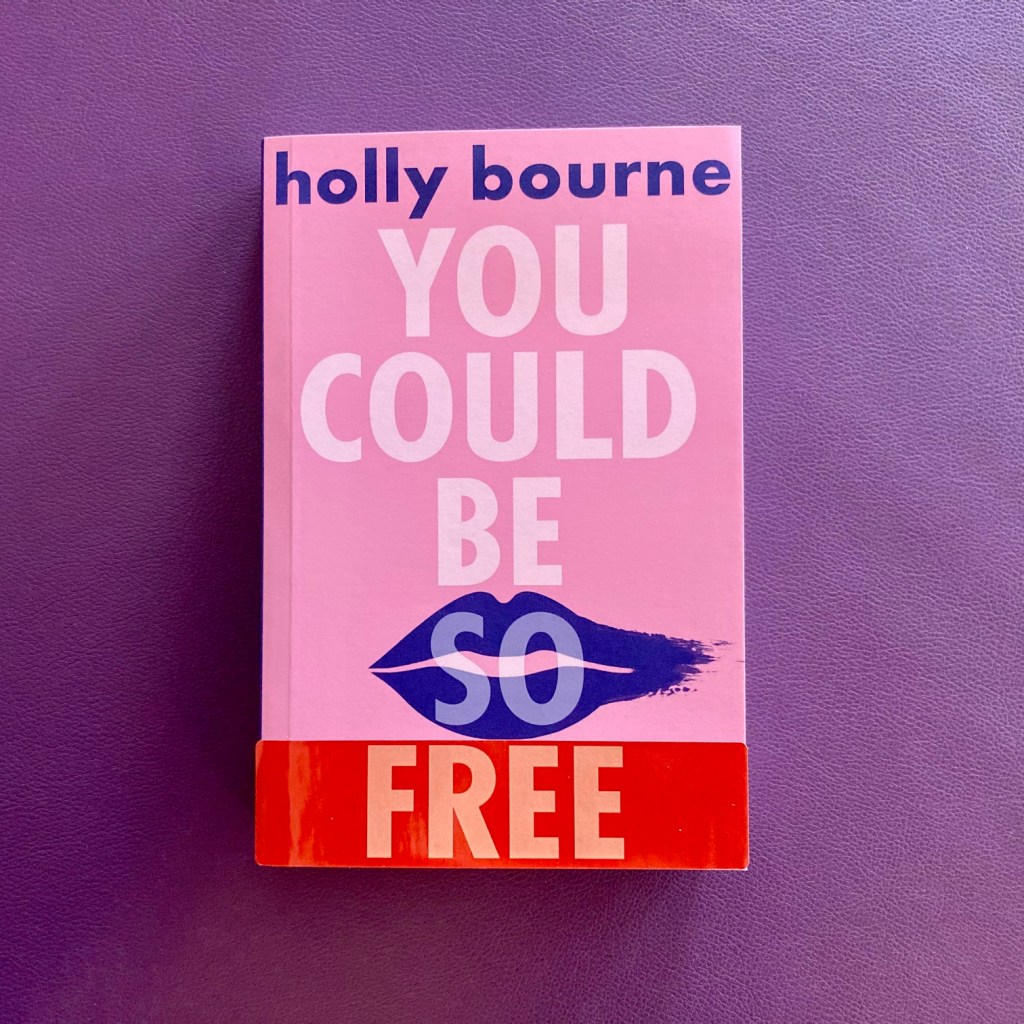
‘You Could Be So Pretty’ by Holly Bourne

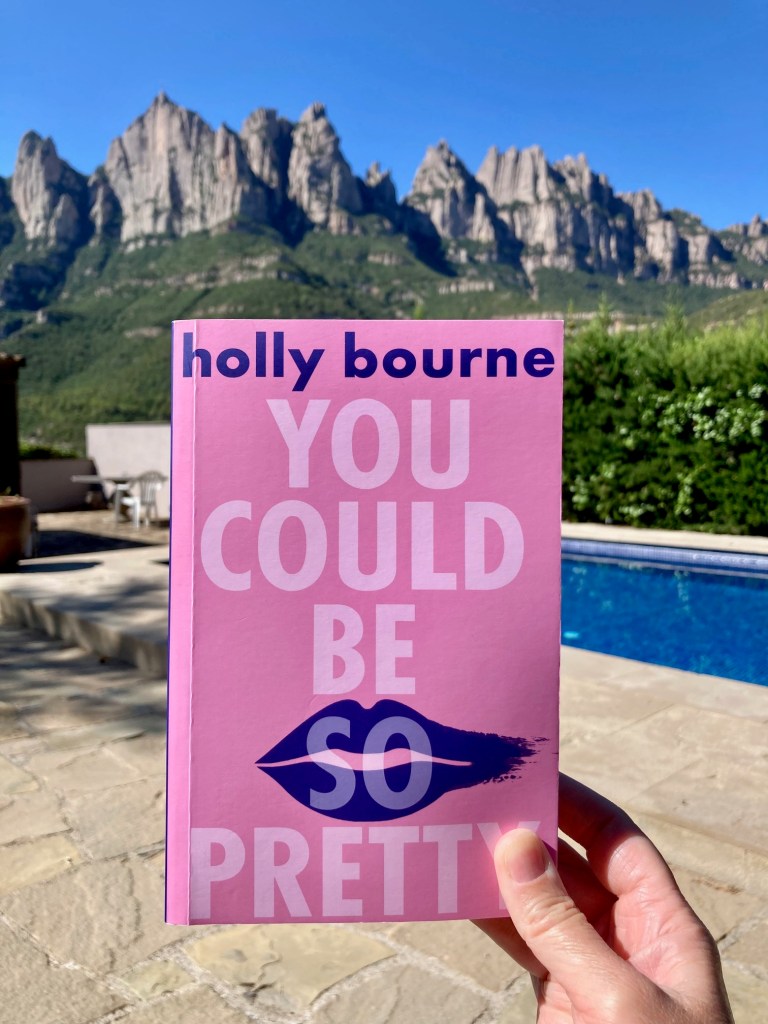
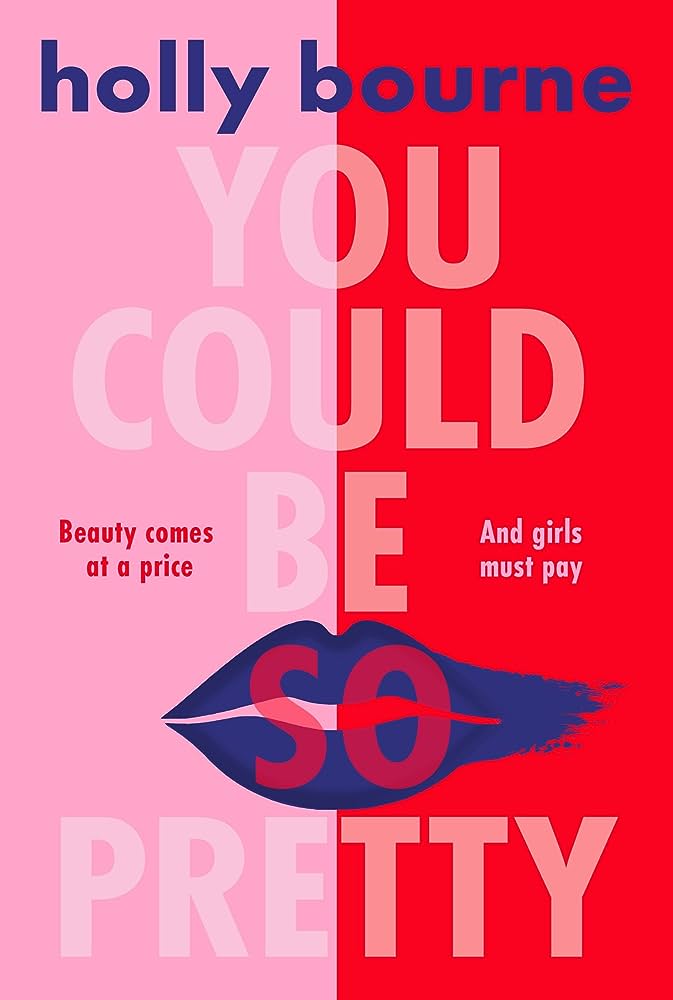
Holly Bourne’s latest novel ‘You Could Be So Pretty’ is a bit of a departure from her usual style into the realm of dystopian fiction, but this dystopian world is chillingly recognisable. 

Belle is a ‘pretty’ and spends hours everyday applying her mask, making sure everything is perfect and then photographing herself to secure her ranking as the prettiest girl in school. Joni is an ‘objectionable’ – she wears no makeup, doesn’t care about fashion and spends her free time volunteering in her mother’s refuge centre for women. And yet, both Belle and Joni are looking to escape and are competing for a scholarship to go away to university. When they are forced to study together, Joni decides she will try to awaken Belle to the sinister reality behind the Doctrine of their world.

Bravo Holly Bourne for yet another empathetic but scalpel-sharp feminist manifesto. In our world of instagram filters and tradwife hashtags, this book is also a stark warning against complacency – we need feminism just as urgently now as we’ve ever done in the past. 

If you loved the Barbie Movie – read this book. It is equally thought-provoking and far more cohesive in message and plot. Brilliantly done!

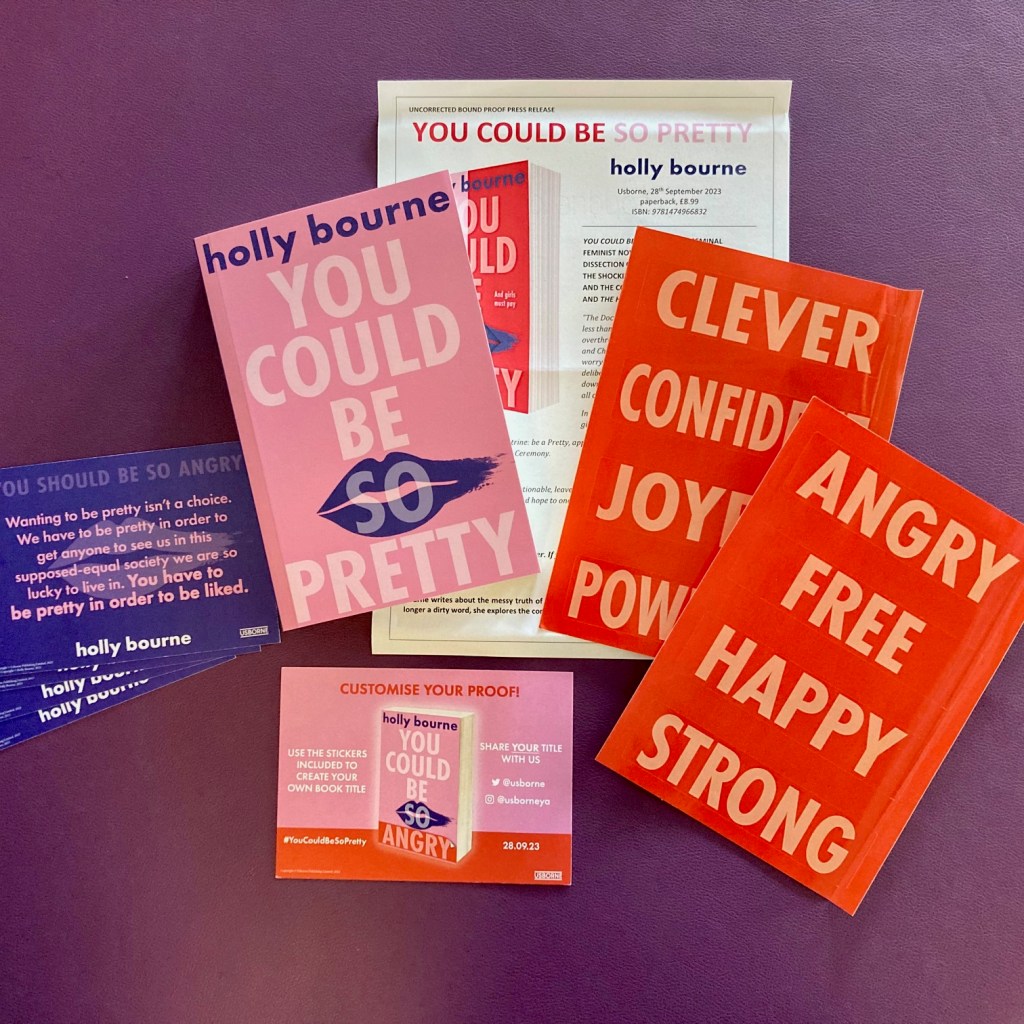
Thanks to Usborne for the ARC. I particularly enjoyed the interactive element of being able to stick your own alternative book title onto the proof – I went with ‘You Could Be So Free’.
‘Happy Head’ by Josh Silver

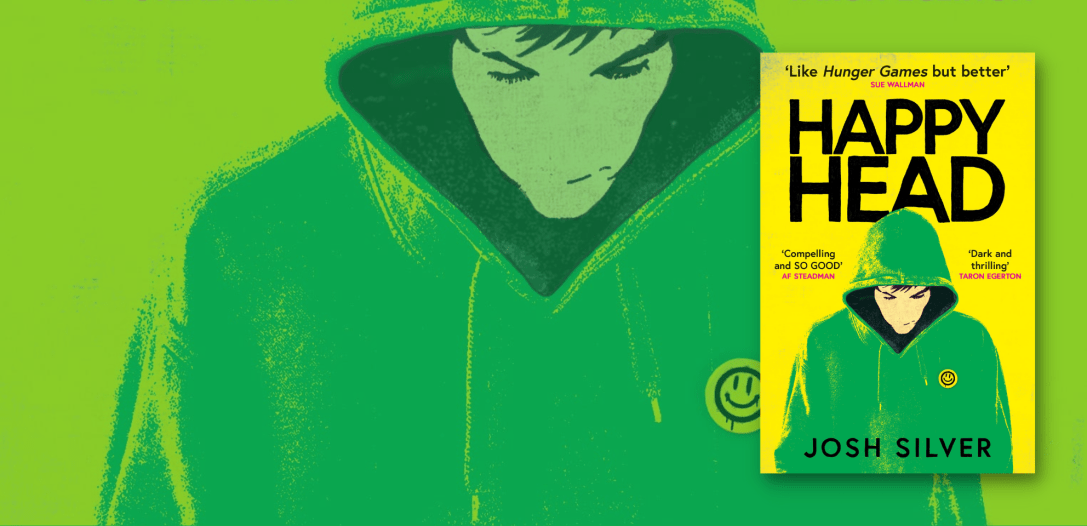
When 17-year-old Seb is selected for an exciting new retreat programme called ‘Happyhead’, designed to counteract an epidemic of teenage depression and anxiety, he hopes that this could be the solution he needs to get his life together and make his parents proud. 

As the programme begins, Seb realises that there’s a hierarchy and the participants are being pitted against each other to gain rankings. Seb wants to do well to please his parents and the people in charge, but he finds himself drawn to the rebellious Finn who is asking difficult questions and refusing to cooperate. 

When Seb and Finn discover that the fences are electrified and that they are all trapped, they decide to investigate to uncover the true aims of HappyHead.

It’s a great premise, we are currently living in a teen mental health crisis so the context feels very convincing and urgent. HappyHead sounds like exactly the kind of programme our government might dream up as a solution.  

‘HappyHead’ is a thrillingly addictive read, I couldn’t put it down, and it’s perfect for fans of ‘Maze Runner’, ‘The Hunger Games’ and ‘Scythe’. It also reminded me a lot of ‘Brave New World’. Brilliantly done – I can’t wait for the next book!

‘The Blue Book of Nebo’ by Manon Steffan Ros

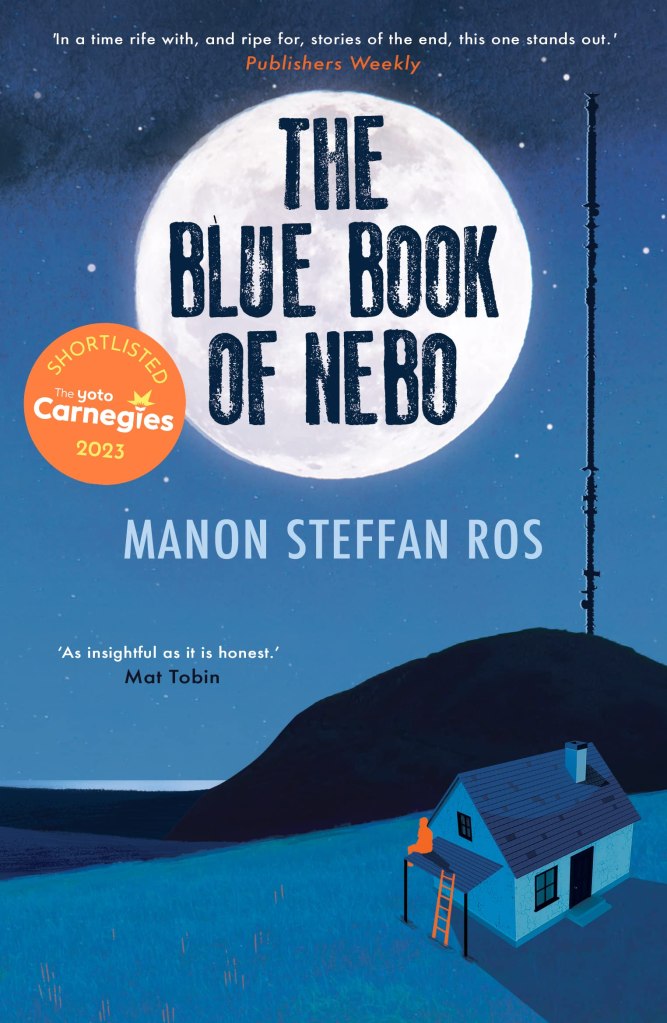
Dylan’s ‘Blue Book of Nebo’ is a record of the events that follow ‘The End’. 14-year-old Dylan writes about what his world is like now, 8 years later, and his mum writes about the things Dylan doesn’t remember – what happened when the bombs started falling, the electricity went off and everyone else disappeared from their tiny Welsh town of Nebo, near the island of Anglesey. 

Though their life before was busy and safe, Dylan was anxious and insecure and Rowenna was lonely and unfulfilled. Though their life now is so much more insecure, Dylan is confident and proud of his ability to provide food and shelter for his family. Rowenna loves the peace and simplicity of their new life.

‘The Blue Book of Nebo’ is a brief but achingly beautiful novel about finding out what is important when everything else has been stripped away–a simultaneously devastating and hopeful read.

‘If Tomorrow Doesn’t Come’ by Jen St Jude

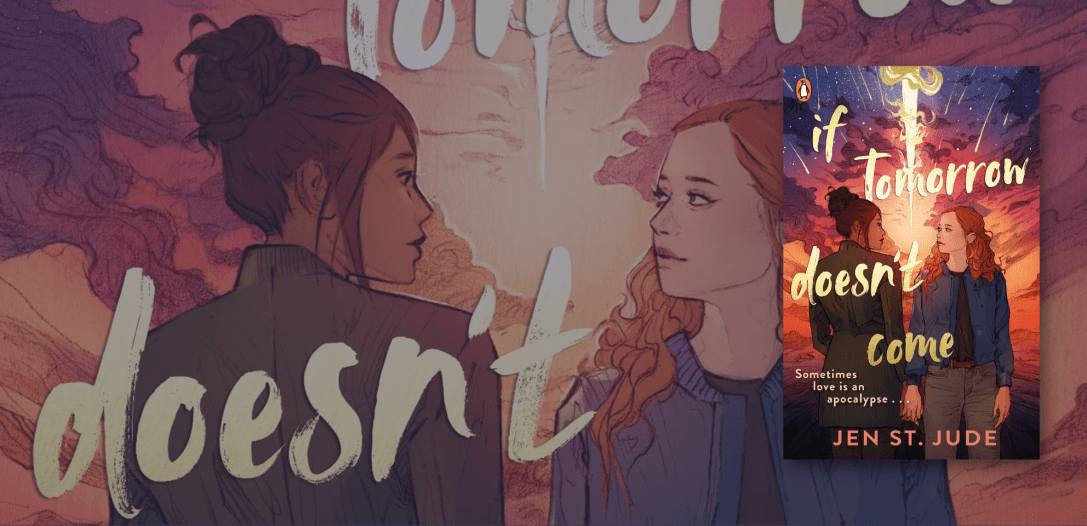
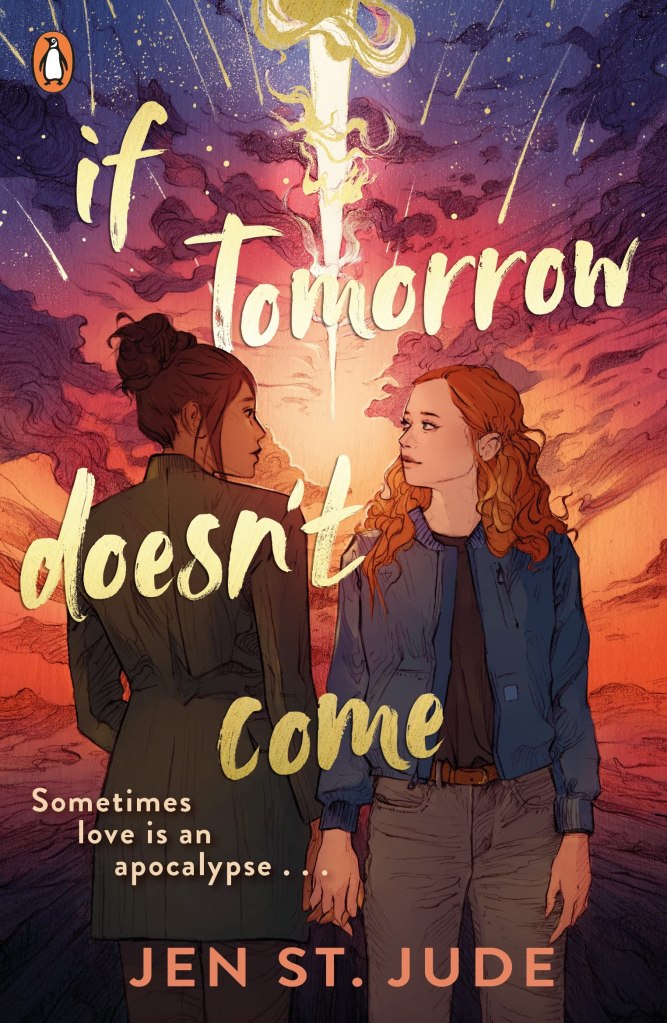
Avery Byrne is about to take her own life when she receives the news that a huge asteroid is headed for the earth and everyone has just nine days left to live. This spurs her to reconnect with her family and her best friend, Cass, who she has been secretly in love with for years.

It’s an incredibly arresting opening – you know that the book is not going to end well, but you’re still thoroughly invested in Avery sorting out her relationships in the time she has left.

In between her family’s attempts to stockpile food and prepare a basement bunker in the hope of surviving the fallout, we see through flashbacks how Avery’s friendship with Cass unfolded over the years, as well as Avery’s struggles with her mental health. 

Avery is someone who has always succeeded at anything she has tried, but her success is a brittle veneer over the depression that has haunted her for her whole life. When she goes away to college and struggles to keep up with the work, she fears that she has the same deep sadness inside herself as her aunt who walked into the sea to her death, on the day Avery was born. 

I have some pupils who are big fans of ‘All That’s Left in the World’ so I’ll definitely be recommending this to them. It also reminded me of ‘The Forevers’ by Chris Whitaker.

This book is definitely about emotional resolution more than death-by-asteroid resolution, so if you’re expecting a high-stakes dystopian thriller, this is not that book. It is, however, a beautifully rendered picture of a friendship developing into a romantic relationship as well as a sensitive and nuanced exploration of depression. I thoroughly enjoyed this – a heartbreaking and yet surprisingly hopeful read.