‘Needle’ by Patrice Lawrence

Fifteen-year-old Charlene loves to knit, she finds it calming, and she’s particularly enjoying making a special dinosaur blanket for her little sister, Kandi. The only problem is that she hasn’t seen Kandi for two years since; their mum died, Kandi went to live with her dad, and Charlene went into foster care.

Charlene gets on well with her foster carer, Annie, but not with Annie’s son Blake who resents Charlene for taking his bedroom when he went away to university. When Blake destroys Kandi’s blanket, Charlene loses her temper, stabs him in the hand with her knitting needle, and starts a downward spiral that takes her further and further away from the possibility of seeing her sister again. If Charlene could just say sorry, that would help, but Charlene never says sorry.

The cover shows the knitting needles as a symbol of resistance and the phrase ‘sorry not sorry’, is a subversive call to rebellion. There are definitely things that Charlene needs to apologise for, but there are many more injustices that have been perpetrated against her. It is a tragedy that Charlene has lost her mother and been separated from her sister, but at the same time Kandi’s dad has to protect his daughter from the fallout of Charlene’s anger. ‘Needle’ is an exceptionally nuanced and textured story, considering that it is so brief, and it would generate a lot of interesting discussion. 

‘Needle’ is an excellent addition to Barrington Stoke’s dyslexia-friendly collection, but it would be an engaging, page-turning and empathy-inducing read for any teenager. Highly recommended.
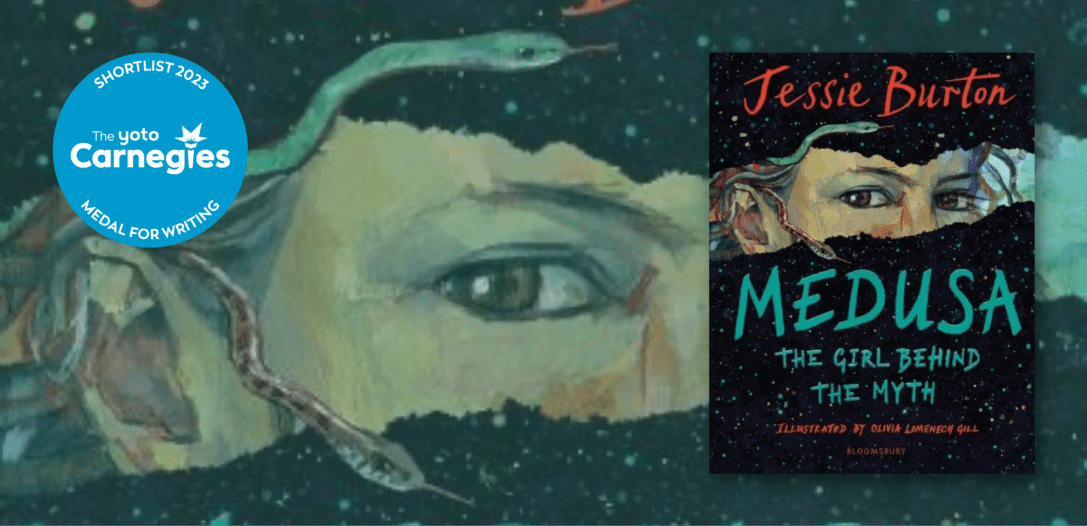
‘Medusa’ by Jessie Burton, illustrated by Olivia Lomenech Gill

We all know what happened to Medusa. I was expecting a depressing story, or at best—a beautifully tragic one. But instead, I found an empowering story of self-discovery. 

Medusa has been living with her sisters on a small rocky island for four years, when a boy arrives on a boat. Medusa is starved for company and conversation and cannot resist speaking to him—although she does keep herself hidden. Perseus is lost and equally lonely and they find themselves confiding in each other and even falling in love—until the truth of Perseus’s quest is revealed. 

Medusa’s relationship with her head of snakes is wonderfully evoked. Each individual strand-snake is named and described. Her snakes react to her moods, though she doesn’t feel like she fully controls them and there is an element of fear—Athena has warned her, but she doesn’t truly know what they have the power to do. 

Without giving the ending away, this is not the traditional tale, this is a reclaiming of Medusa’s power—not just her magical snake hair but also her name and her story. The prose is a little flowery and poetic, but this also adds to the mythic tone, and the last few paragraphs of the book are truly transcendent. 

The gorgeous illustrations also reflect the feminist reframing: Medusa is vivid, bold and dynamic, while Perseus is a handsome statue and Poseidon is a looming, faceless monolith. 

I thoroughly enjoyed this lyrical and powerful retelling of Medusa’s story.

‘The Eternal Return of Clara Hart’ by Louise Finch

Spence is already having a bad day when Clara Hart crashes into his car in the school parking lot – it’s the one-year anniversary of his mother’s death and he has slept in his car to avoid the inevitable sad and awkward conversations with his dad. His best friend Anthony is apparently too busy rating the girls to remember what day it is and has planned a party that night. Since it’s better than being at home with his Dad, Spence goes to the party but watches Clara get drunk, then go upstairs with Anthony. Then Clara dies.

But this is just the beginning. When Spence wakes up he’s back in his car in the school parking lot, Clara crashes into him and the day begins all over again. And then again, and again. Spence must work out what he’s got to do to save Clara and break the cycle. 

It’s a great concept and the story had me hooked from the first page. It did sound a little similar to ‘Before I Fall’ but in this case the protagonist has to watch someone else die over and over again, and it’s a more sophisticated story. 

Spence’s first scene with his friend Anthony sets the tone of the book, when Anthony cat-calls a girl in their year and then rates her to his friends. It’s a jarring, uncomfortable moment as Spence goes along with Anthony’s ‘banter’ and doesn’t call him out. But this perspective is what makes this book so brilliant and Spence’s voice is particularly authentic and compelling. Not only does he have to stand up to his friends, but he also needs to evaluate his own behaviour in the process. Fortunately it’s not a preachy book and the twists and turns of the plot keep up the pace.

‘The Eternal Return of Clara Hart’ is a thought-provoking and page-turning read about friendship and toxic masculinity and should be required reading for teenagers, particularly in light of the rape culture exposed in the ‘Everyone’s Invited’ campaign. Highly recommended. 
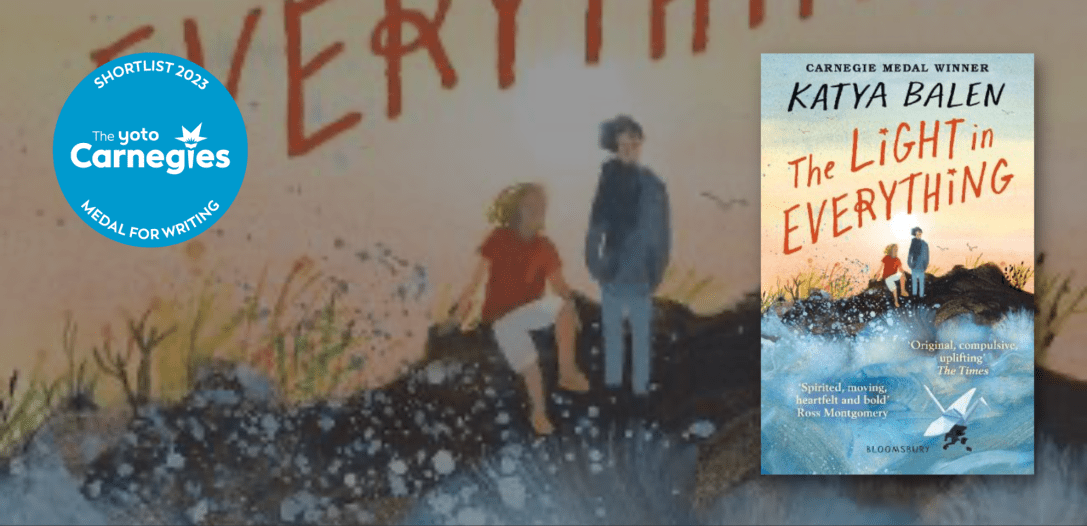
‘The Light in Everything’ by Katya Balen

Zofia and Tom are opposites: Zofia is bold, brave and loud while Tom is quiet and fearful. Zofia is training herself to withstand the cold seawater and swim to a rocky outcrop the locals call ‘Fiji’ while Tom makes paper cranes and sleeps with the lights on to drive out the dark. But when Zofia’s dad and Tom’s mum move in together, they must learn to get along, especially because their parents are also expecting a baby together.

Zofia is furiously angry that Tom and his mum have pushed their way into her life, she can’t understand why Tom is so timid and afraid, and she’s worried that her anger will drive her dad away and she will be left out of his cosy new family. Tom just wants his mum to be happy, after the difficult times that they’ve had, but he can’t quite trust that the new man in her life won’t be aggressive and violent like his dad. But as Zofia and Tom begin to understand one another they realise that perhaps they have more in common than they know, and perhaps they can find a way to be a family.

The story is told from both Tom and Zofia’s perspectives in alternating mini-chapters that make it impossible to put the book down and I finished it within an afternoon. Like ‘October, October’, the book cover is a stunning work of art in its own right—created by illustrator, Sydney Smith. (I have the cover art of ‘October, October’ on a tote bag—perhaps I’ll have to expand my collection.)

‘The Light in Everything’ is a quiet story, but it is exquisitely written, full of big emotions, vivid descriptions and authentic, heartrending moments. The protagonists are only 11, but I would highly recommend this book for KS3 as well as KS2 readers.

‘The Underpants of Chaos’ by Sam Copeland & Jenny Pearson

When something weird starts to happen at their school, Agatha and Lenny team up to investigate…

Agatha is already a spy-detective so she is naturally well-placed to figure out what’s going on when a mysterious ‘shiver’ causes all of her classmates to dance wildly and then forget it ever happened. Lenny has tried a lot of different things, in a lot of different schools, (his mum is sure he’ll find his thing eventually) so he’s happy to give investigating a try – particularly as he and Agatha seem to be the only ones who notice the shiver and remember its effects afterwards. The shiver continues to cause chaos, from rampaging gargoyles to vicious underpants, but can Agatha and Lenny work out who is behind it all before their whole school is destroyed?

A lively and laugh-out-loud hilarious story from two very funny authors – this one has been highly requested in the school library!

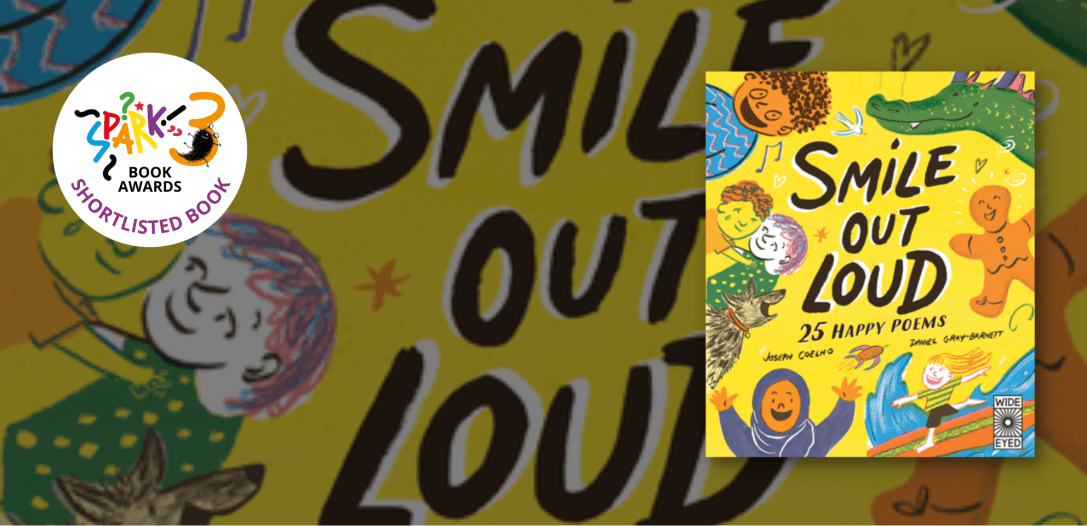
‘Smile Out Loud’ by Joseph Coelho & Daniel Gray-Barnett

Another wonderful collection from Joseph Coelho. These 25 poems will not only make you smile, but they are also perfect for reading aloud, acting out and inspiring children to write their own poetry. 

Amongst my favourites were ‘Imagination Running Free’, ‘A Brush with Danger’ about a yeti brushing his hair, and the wonderfully soothing and meditative ‘Bedtime’.

It is also wonderfully illustrated by Daniel Gray-Barnett.

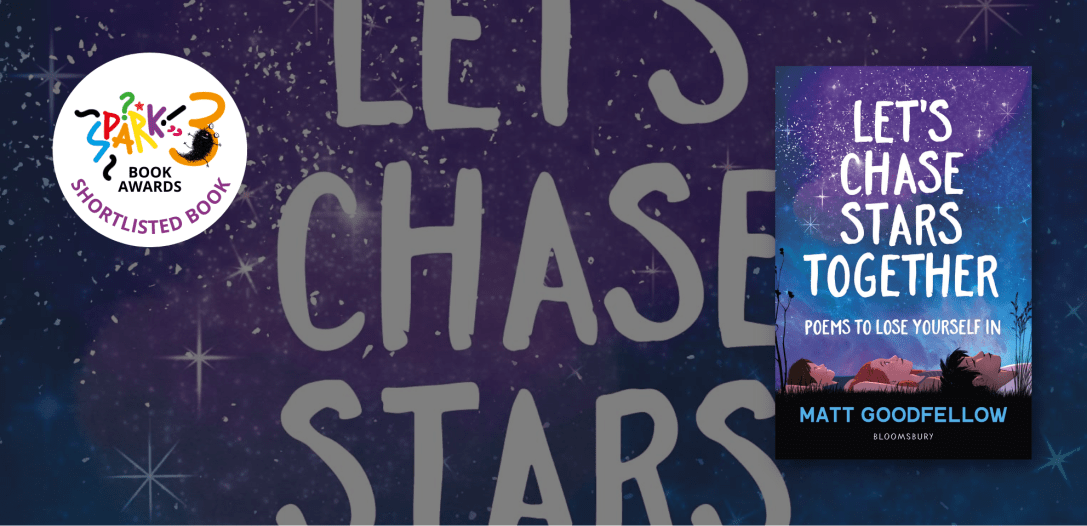
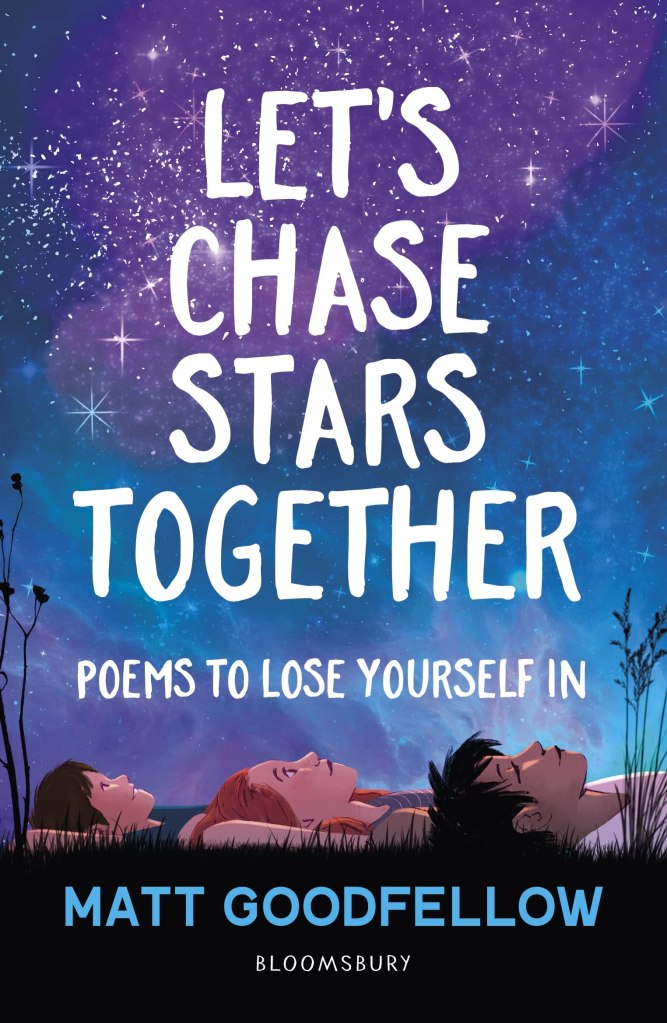
‘Let’s Chase Stars Together’ by Matt Goodfellow

A collection of powerfully emotive and beautifully written poems, ideal for older children.

Among my favourites were: ‘It’s Always the Same’ about a vulnerable child who lacks the protective armour that stability provides, the lyrical ‘When You Get Sad You Speak Like the Sea’, ‘Guess What’ about finding a friendship that seems like destiny, and ‘The Wolf’ – a metaphor for divorce.

These poems made me cry – highly recommended!

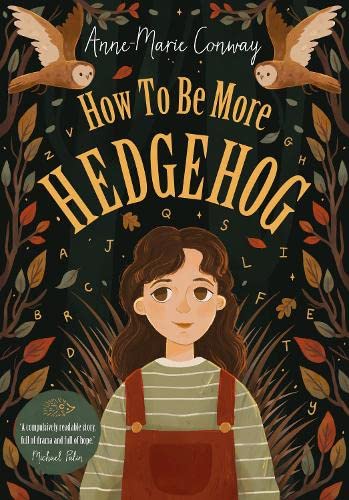
‘How To Be More Hedgehog’ by Anne-Marie Conway

When Lily’s new teacher asks the pupils to team up and create a presentation about conserving the environment, she is thrilled as she is very passionate about wildlife. But as Lily’s supposed-best friend reminds her, she has a stammer and finds some letters particularly difficult to say – other people often talk over her as they don’t have the patience to wait for Lily to get her words out. But she is determined to do the presentation and she videos herself practising to help with her preparation. But then someone shares the video online and the comments fill up with people making fun of Lily’s stammer. Lily is sure that the only solution is to run away to live with her Dad in Scotland, change schools and start over where no one knows her. But perhaps Lily needs to learn to be more hedgehog…

Lily is a resilient and determined character and her experience of living with a stammer is sensitively and astutely explored. ‘How to be More Hedgehog’ is a warm, emotive and inspiring story about learning to face your fears and stand up for the things you are passionate about. Highly recommended.
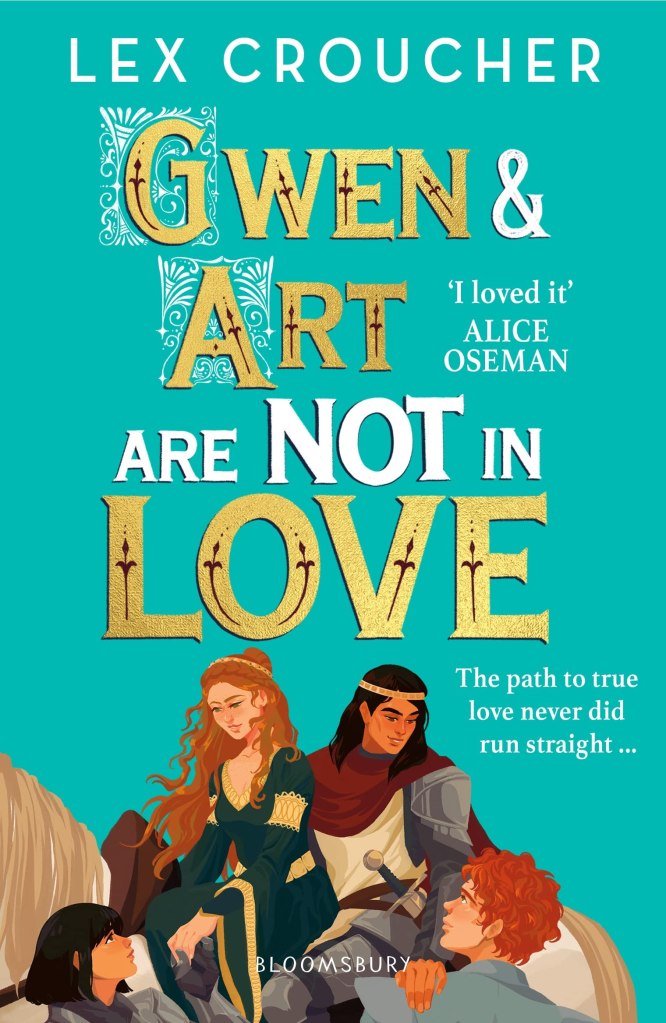
‘Gwen & Art Are Not in Love’ by Lex Croucher

Gwen and Art have been betrothed to be married since they were children and they have hated each other just as long. This mismatched couple is not the original Guinevere and Arthur, but Princess Gwendolyn and Arthur Delacey, son of Lord Delacey, some generations later, but still living in a Camelot-centred kingdom. But now, at a time of upheaval, their parents decide it might be time for them to bury their resentment and get married, for the sake of political stability. 

There are other obstacles to their union though, apart from their mutual loathing: Gwen is besotted with Lady Bridget Leclair – the first, and only female knight in Camelot, although she can’t imagine any circumstances under which she’d ever be able to confess her crush. Arthur will kiss any stableboy who smiles at him, but since returning to Camelot he can’t stop thinking about one person in particular. But when Gwen and Art discover each other’s secret, they must strike a pact to get their parents off their backs and perhaps save Camelot as well in the process. 

I really enjoyed ‘Reputation’, but I think this book is even better – a delightful cosy fantasy full of found family, queer romance and swashbuckling. It is also very funny, full of snarky dialogue and slapstick situations, but the characters are thoroughly warm and engaging – an absolute joy to read. 

‘Gwen & Art are Not in Love’ is particularly perfect for those who loved the BBC series, ‘Merlin’, and mourned the happy ending that Merthur were denied.

Spark! School Book Awards Picture Book Shortlist

I was fortunate to chair the shortlisting panel for the Picture Book category of the Spark! School Book Awards again this year. Out of a fabulously diverse, creative and colourful pile of submissions, these are the four books we selected to go forward to the children for judging…

‘The Bear and her Book: There’s More to See’ by Frances Tosdevin & Hannah Worsley

‘The bear gave a sigh and she waved a paw, “I’m a curious bear who must explore. The world is big and there’s more to see, and I’ll find this bear who is not like me.”’

Bear reads about a sad and lonely bear living in the arctic in her Book of Being Wise and sets out to find him, helping lots of other animals along the way.

A lyrical, stunningly illustrated story about a curious bear and her book-inspired adventures.

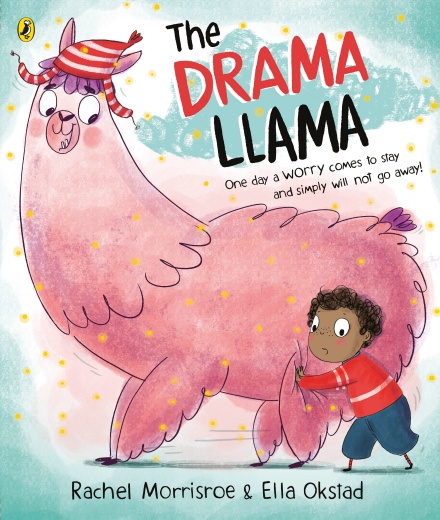
‘The Drama Llama’ by Rachel Morrisroe & Ella Okstad

‘The llama really started causing panic and hysteria, chasing kids and lunchtime helpers round the cafeteria.’

Whenever Alex is feeling anxious, his worries turn into a real live llama. The llama keeps growing and causing chaos until his teacher gets him to talk about his worries.

A colourful and hilarious read about learning to calm your drama llama by sharing your worries.

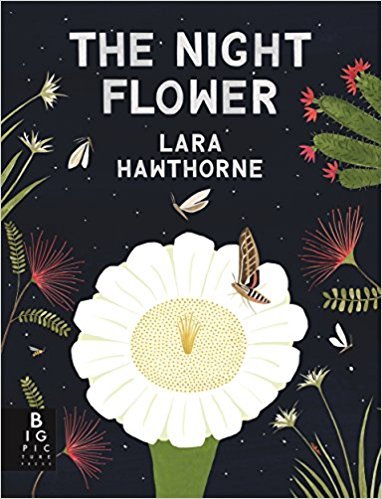
‘The Night Flower’ by Lara Hawthorne

‘And high on the cactus, beneath the bright moon, a tiny green bud is beginning to bloom.’

As the sun sets over the desert, all the creatures begin to gather for a special event – the blooming of the beautiful Night Flower on the saguaro cactus, which only happens once a year.

‘The Night Flower’ is a gorgeously illustrated story about a rare and magical moment in nature.

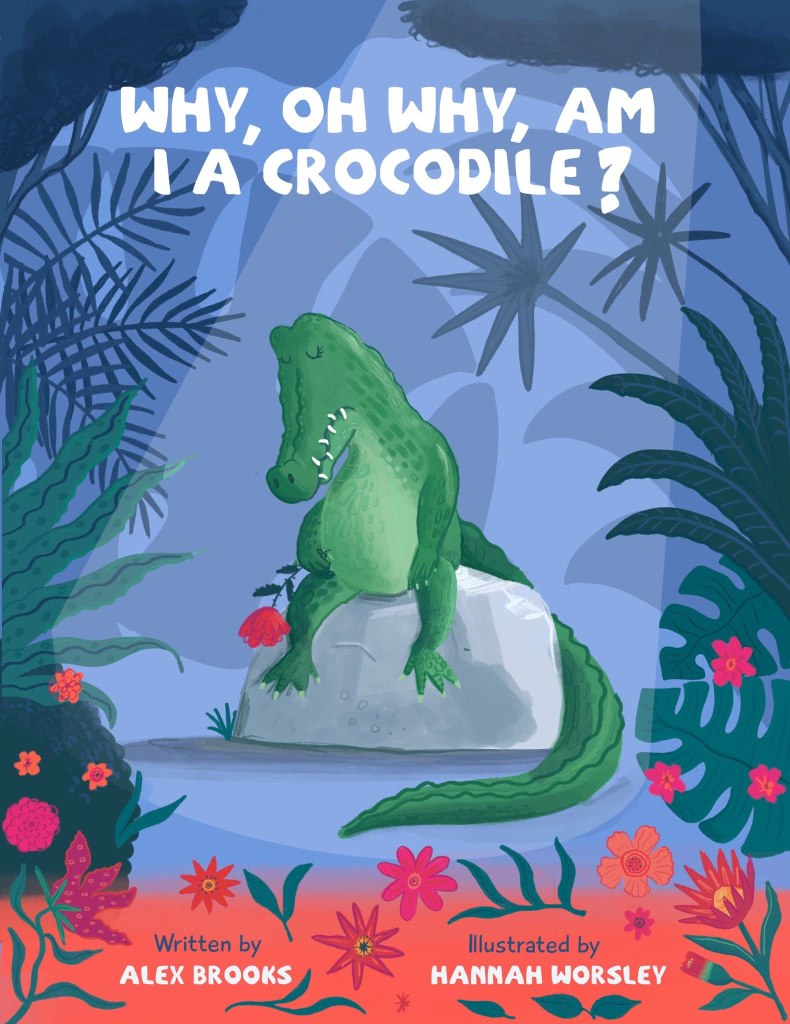
‘Why, Oh Why, Am I a Crocodile?’ by Alex Brooks & Hannah Worsley

‘Admiring the parrot for a little while, she sighed, “Why, oh why, am I a crocodile?”’

A lonely crocodile envies the other animals with their bright colours, long legs and appealing smiles, until she meets a blind monkey who teaches her to accept herself for who she is.

A delightful rhyming story about friendship and learning to love yourself.